What Happens When a Storm Drain Gets Blocked? Portsmouth's Coastal Flooding Risk Explained
Storm drain maintenance in Portsmouth, VA, affects every property owner in this low-lying coastal city. Portsmouth sits on the western bank of the Elizabeth River, directly across from Norfolk, making it one of the most flood-exposed cities in the Tidewater region. This article explains what happens when a drain fails, why Portsmouth's geography makes every blockage more serious, and when professional storm drain maintenance becomes necessary.
How a Blocked Storm Drain Creates a Flood Chain Reaction
A single clogged drain can trigger flooding across an entire block within minutes of heavy rain. Here is how it typically unfolds.
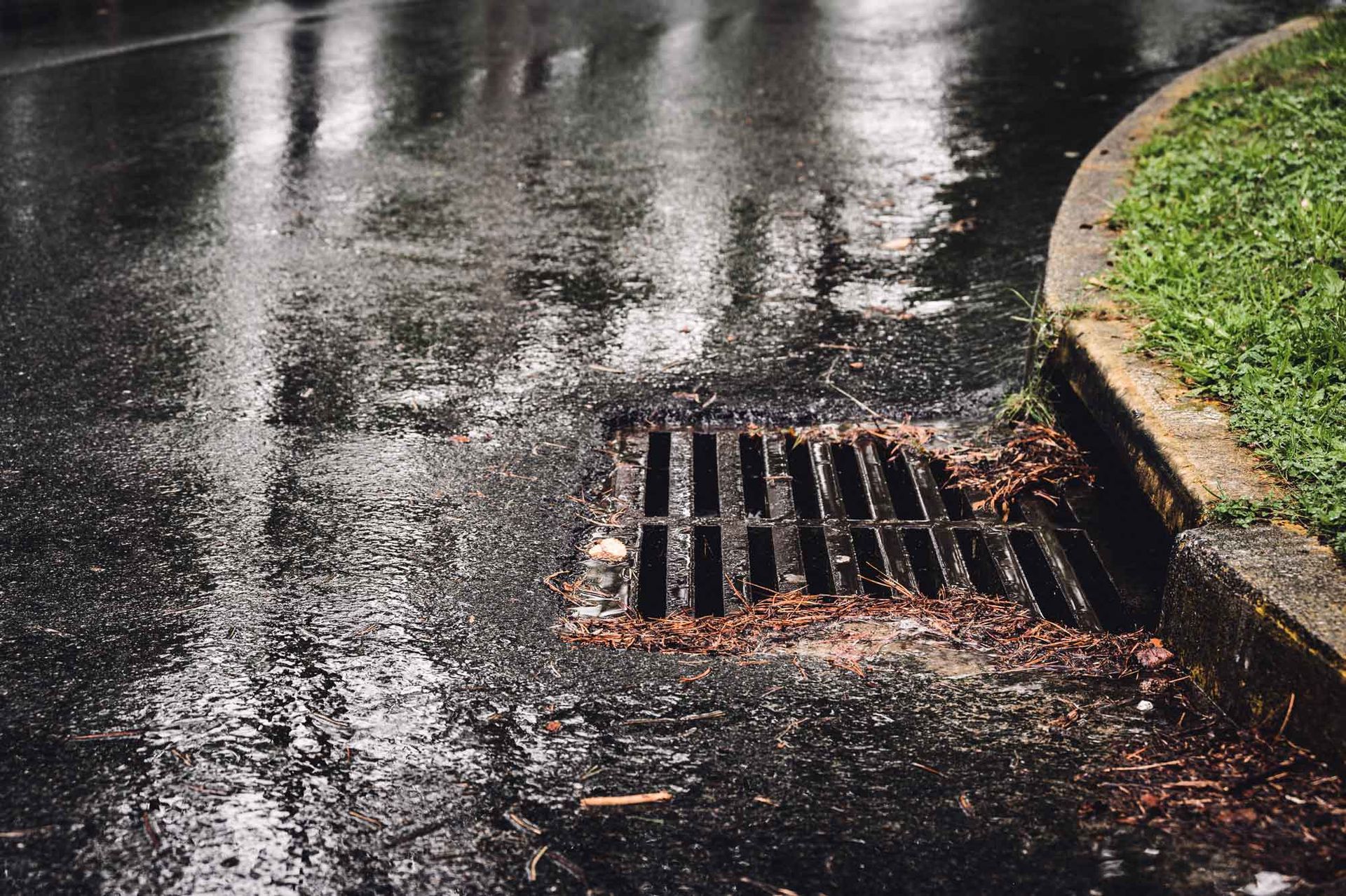
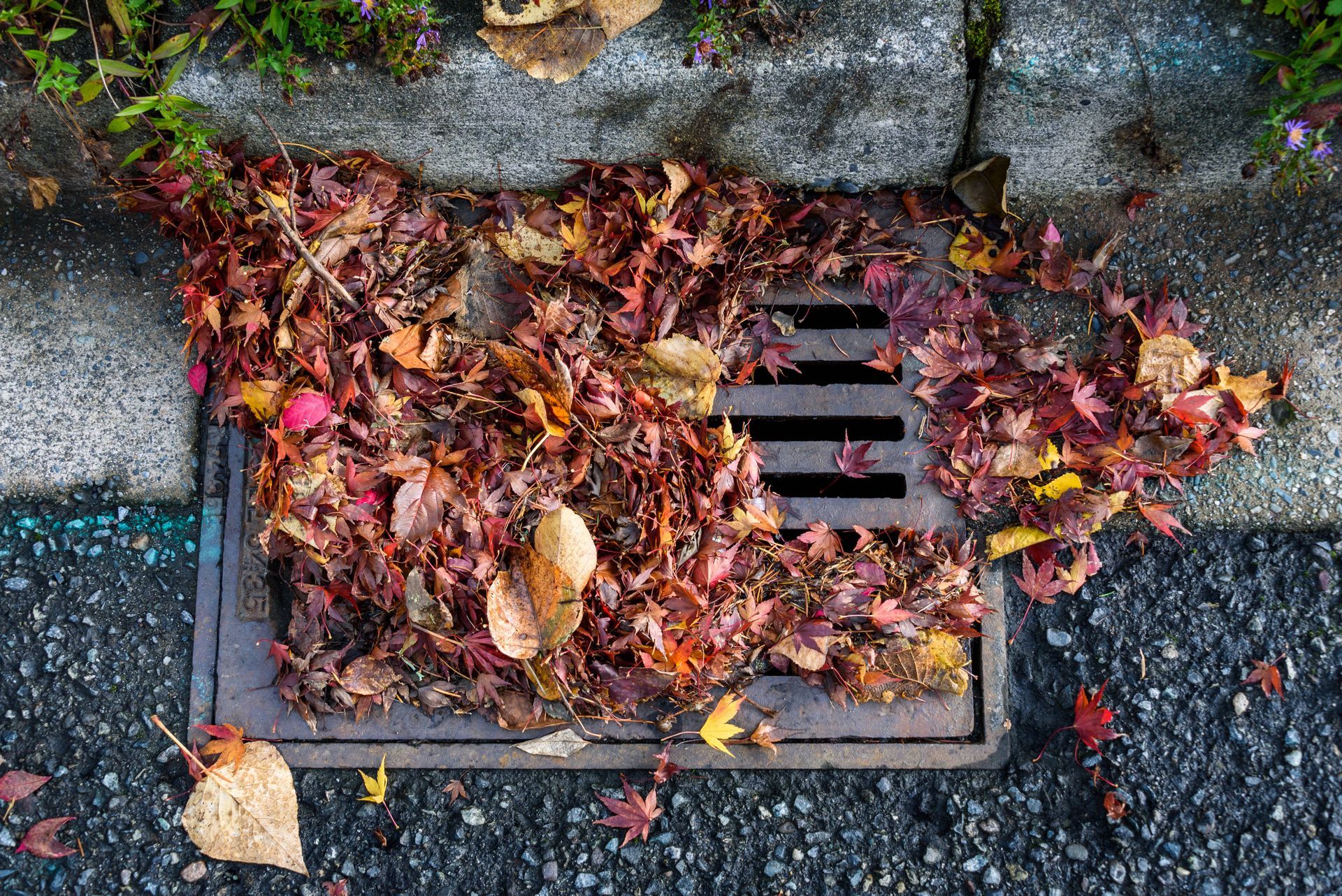
Step 1: Debris accumulates at the grate. Leaves, litter, sediment, and grass clippings collect on top of and just below the drain opening. If a storm drain gets clogged, you may find your property flooded during the next storm.
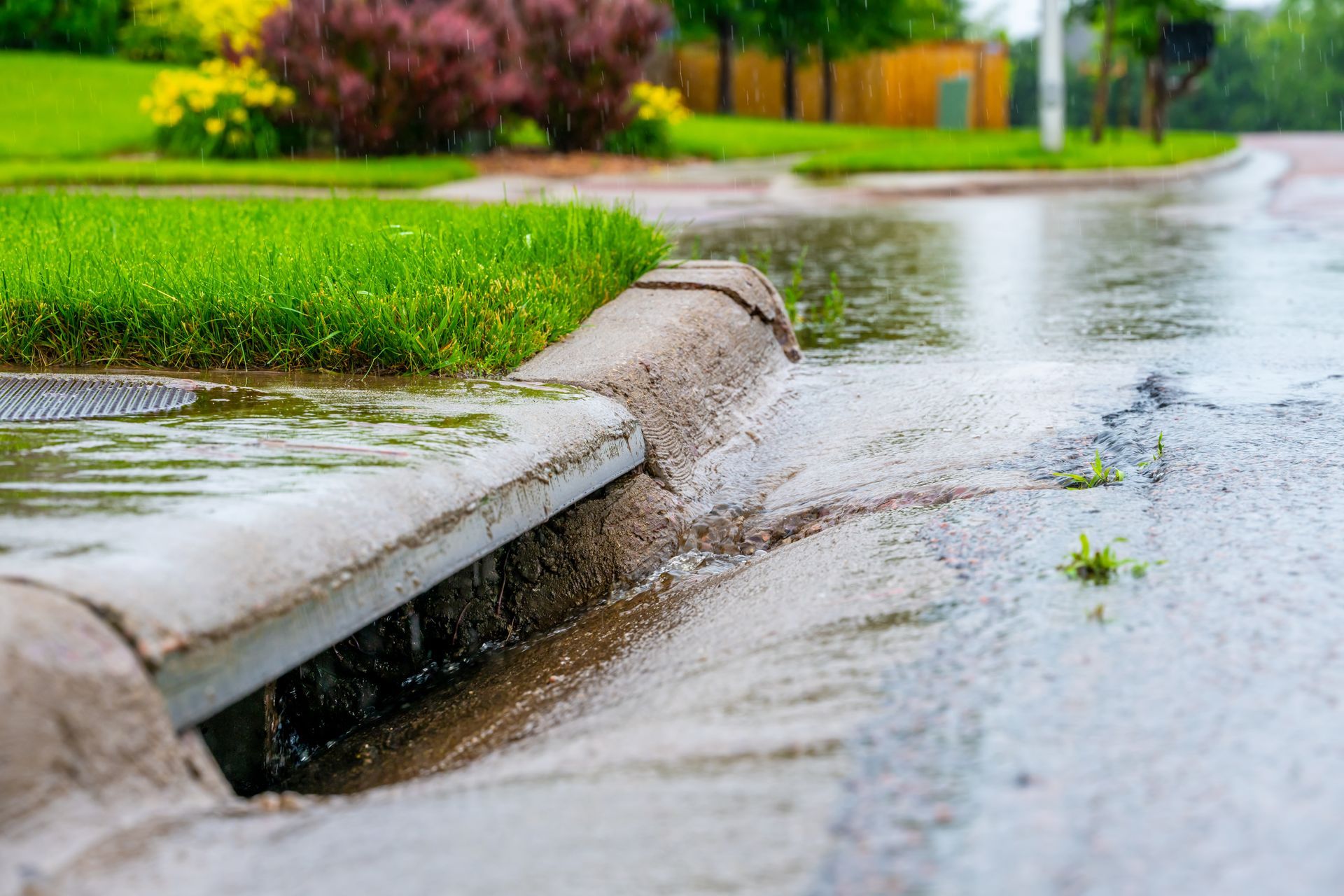
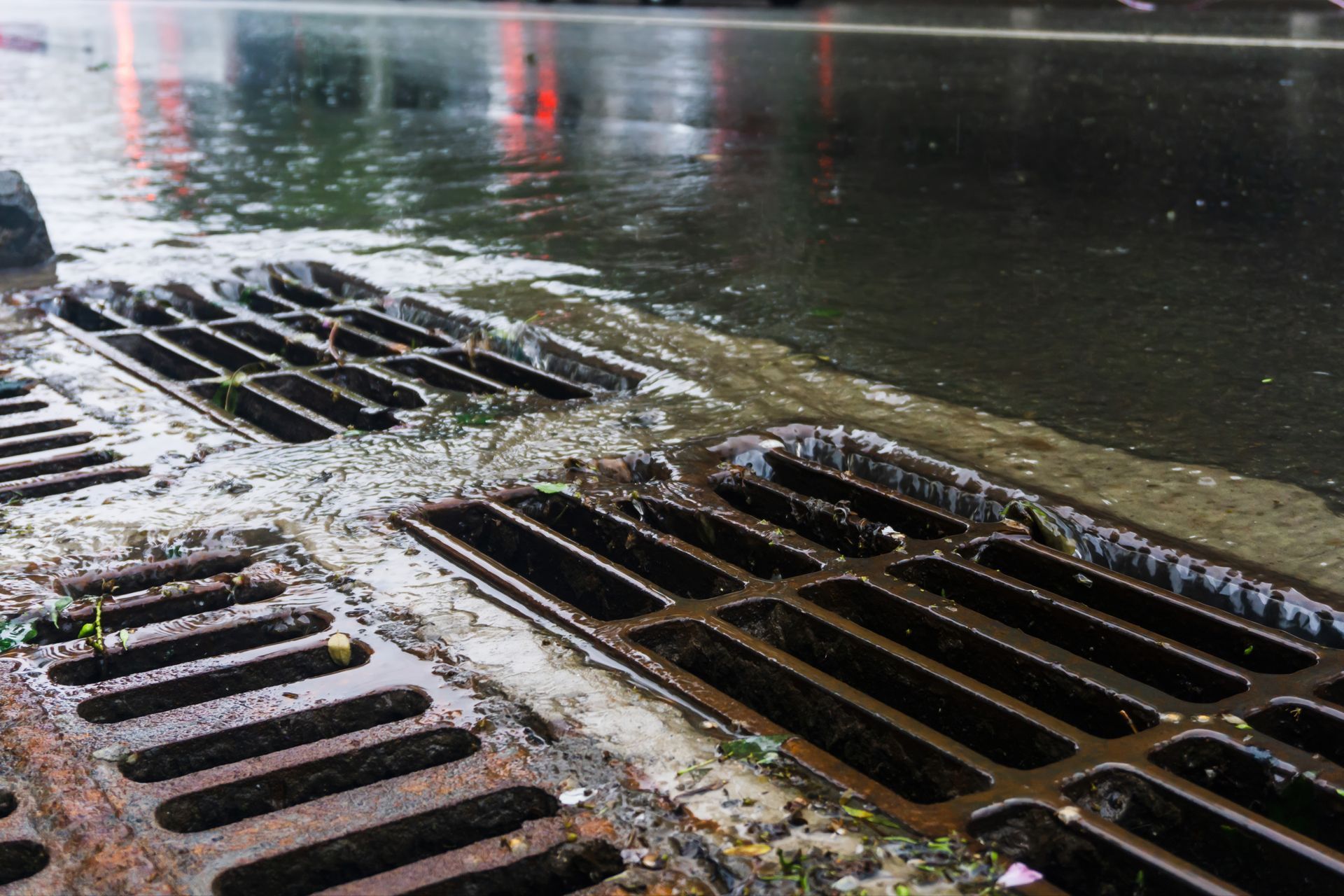
Step 2: Water backs up to the surface. With nowhere to go, runoff pools in parking lots, driveways, and low-lying yards. Stormwater flows over impervious surfaces into catch basins and the storm sewer, then discharges into local waterways. When the drain is blocked, that pathway is cut off entirely.
Step 3: Tidal pressure makes it worse. When heavy rain coincides with high tide or storm surge, municipal storm drain pipes fill with river and bay water. Instead of yard drainage flowing out, the city's water pushes backward into yards, flooding low points and driveway aprons.
Step 4: Sewage can enter the mix. When municipal systems are overwhelmed, pressure builds and sewage can flow backward into homes through floor drains, tubs, and toilets.
Step 5: Contaminants spread across the property. Stormwater picks up pesticides, chemicals, cleaners, mold, and animal waste as it flows over the ground. If that water does not drain, those contaminants spread across your property.
Why Portsmouth, VA, Is So Vulnerable to Storm Drain Problems
Portsmouth faces a combination of geographic and structural factors that make a blocked drain far more dangerous here than in most cities.
Low elevation and tidal exposure. Neighborhoods closest to the water, including Olde Towne and Port Norfolk, experience nuisance flooding on ordinary high tides more often than they used to.
A sinking land base. Hampton Roads is experiencing sea level rise at rates faster than the global average due to land subsidence. Heavy rainfall in Portsmouth is increasing in frequency and intensity, and annual rainfall will likely increase by one to two inches by 2050-2079 compared to the 1990-2019 average.
Older infrastructure under greater stress. Neighborhoods like Olde Towne, Cradock, Westhaven, and Cavalier Manor carry aging drainage infrastructure not designed for today's rain intensity or tidal levels. Impervious surfaces generate significant stormwater volume, contributing to sewer overflows and pollutant runoff into local waterways.
The Elizabeth River amplifies every storm. The region's proximity to the Elizabeth River and Portsmouth Harbor creates storm surge flooding and tidal backflow that can overwhelm drains even during moderate nor'easters.
Health Risks and Liability Consequences
Flooding from a blocked storm drain creates real health and legal risks beyond property damage.
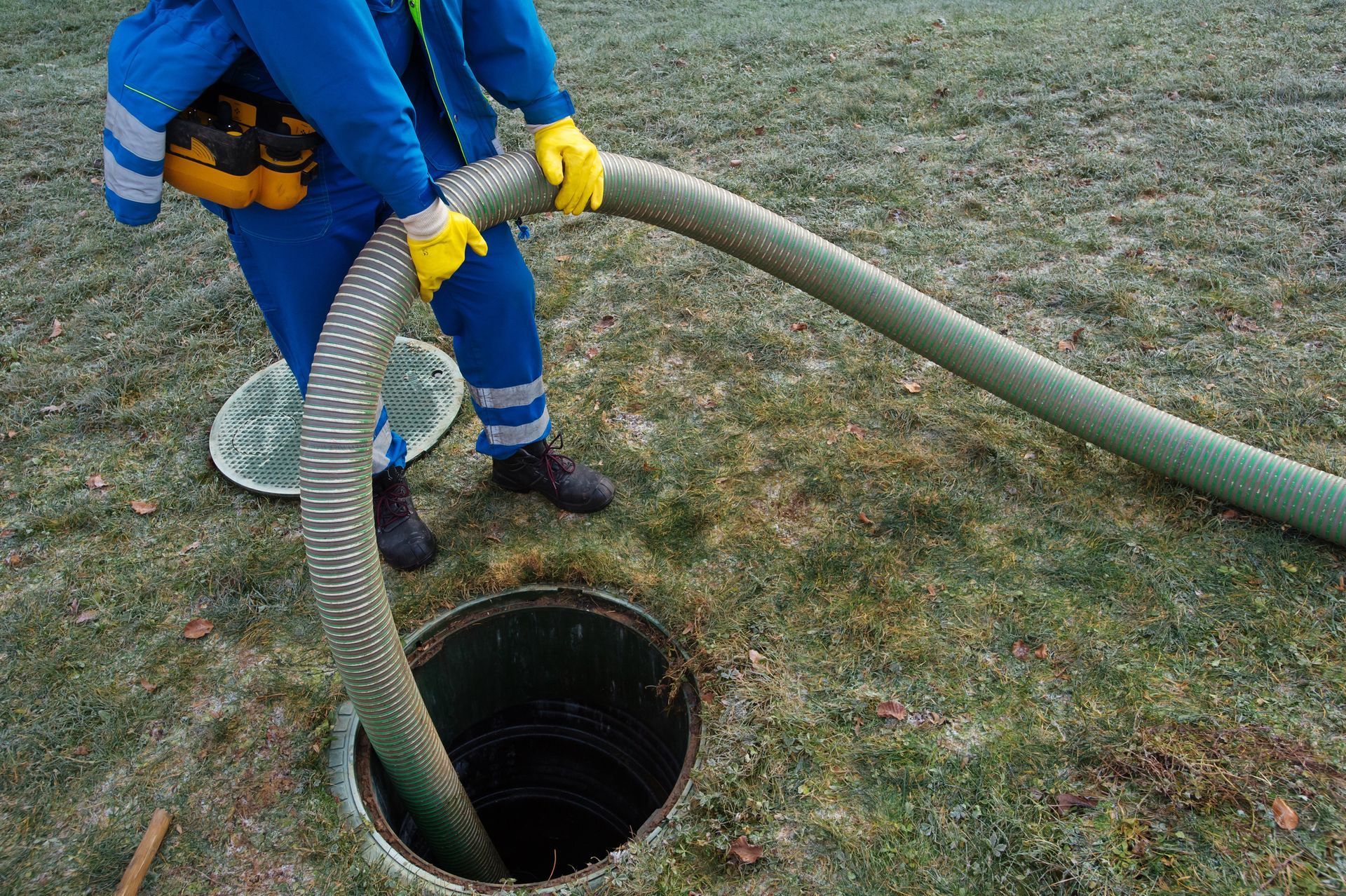
Floodwater that lingers carries bacteria, mold spores, and chemical runoff. Repeated dampness leads to mold growth, insulation decay, and structural damage in walls, floors, and crawlspaces. Mud, animal waste, and toxic materials like fertilizers, oils, and greases can flow through the grate and cause deep clogs that require protective equipment and professional expertise to clear safely.
Commercial property owners face additional exposure. Portsmouth operates under state and federal stormwater regulations, and failing to maintain on-site storm drains can put a property out of compliance with the city's stormwater management program.
When DIY Fails and Professional Service Is Required
Signs That Indicate a Deeper Problem
Clearing leaves and litter from the top of a grate is a reasonable first step, but routine storm drain maintenance in Portsmouth, VA, requires more than a garden hose and gloves can accomplish.
Call a professional when you notice any of the following:
▸ Standing water that does not drain within 30 minutes of rain stopping.
▸ A gurgling sound from floor drains or toilets during or after a storm.
▸ Multiple drains on the same property backing up simultaneously.
▸ A foul odor near grates or cleanouts after wet weather.
▸ Visible sediment or oil sheen in pooled water near the drain outlet.
What Professional Storm Drain Maintenance Involves
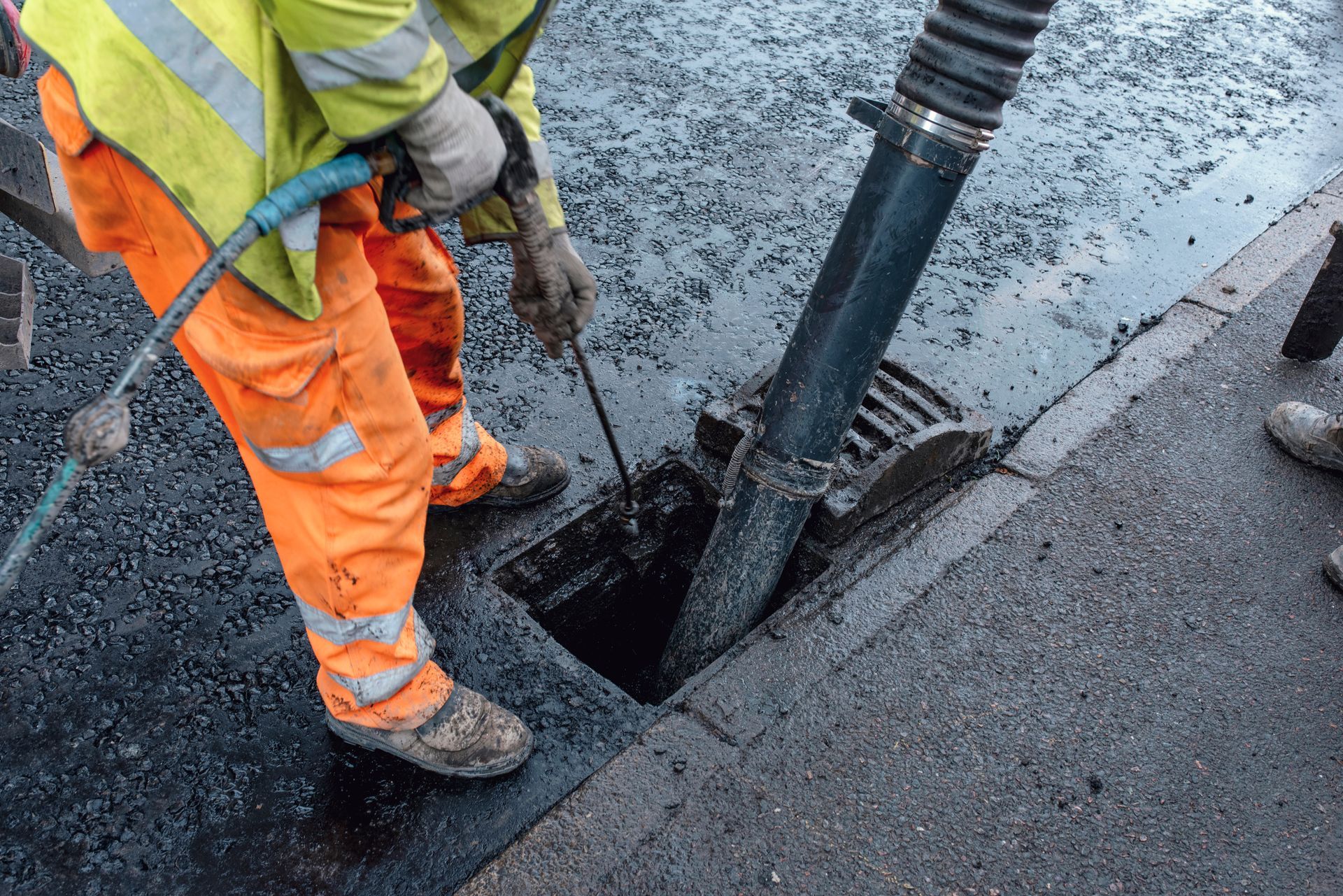
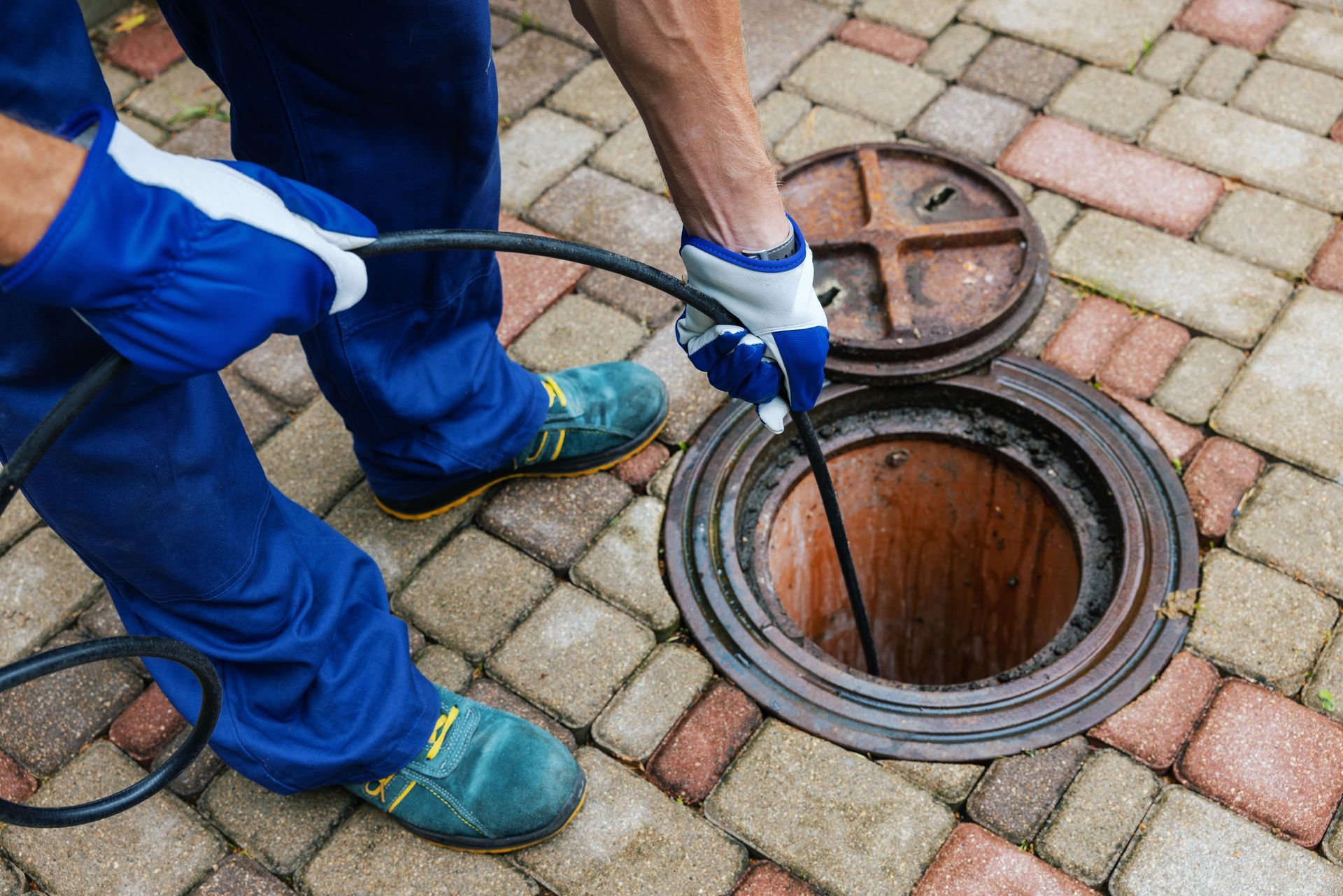
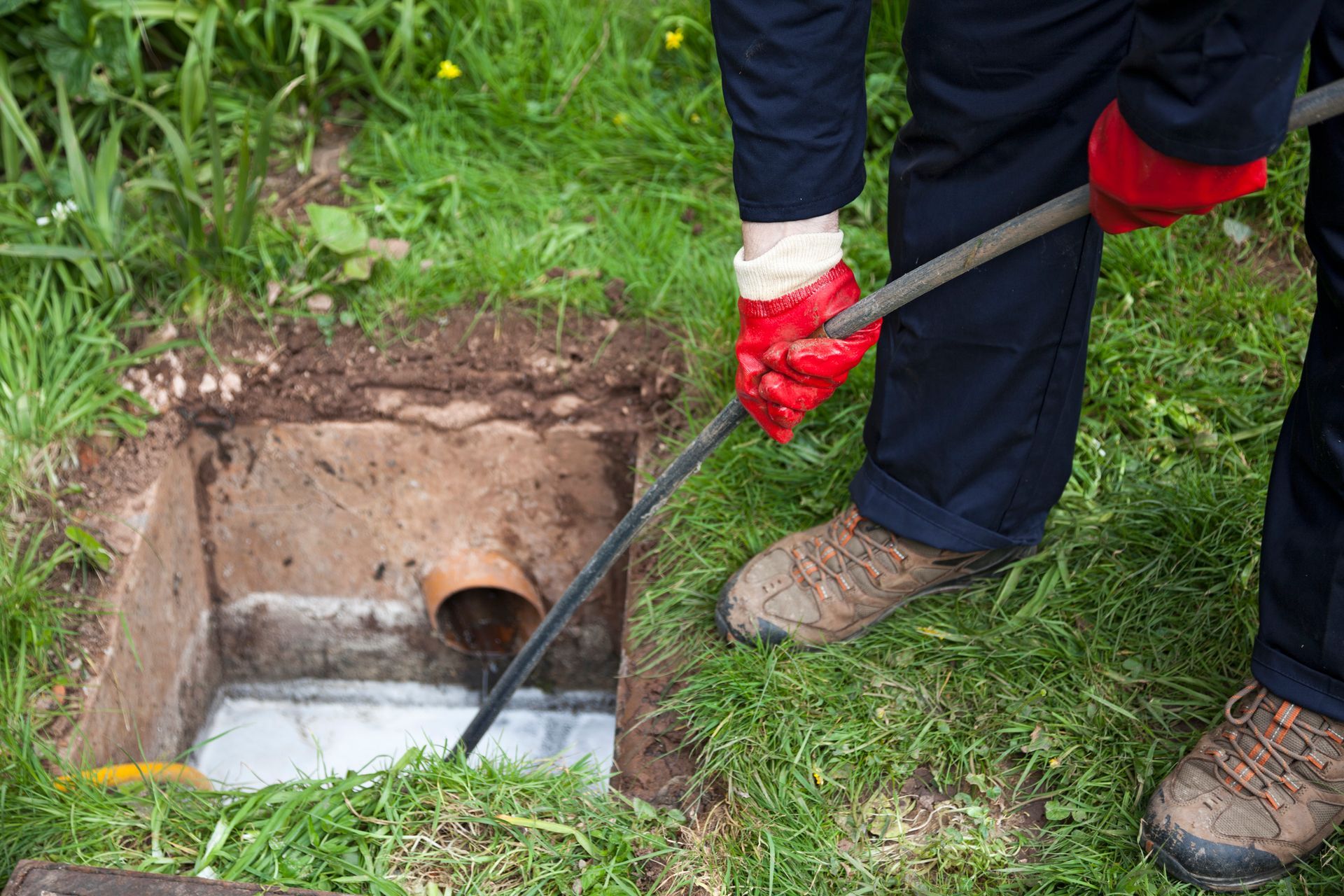
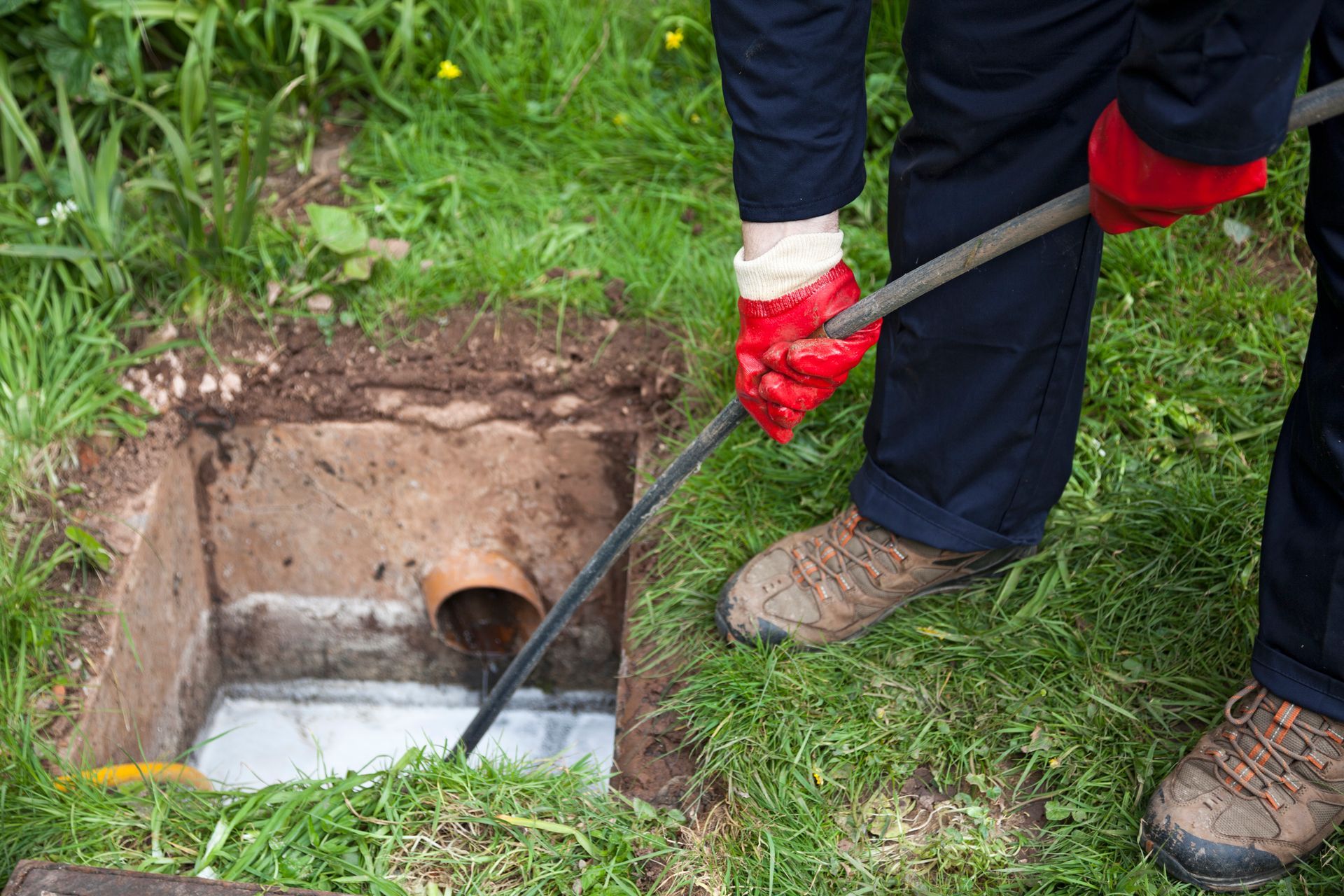
A licensed technician evaluates drains, catch basins, and outfall points for blockages, cracks, or buildup. High-pressure hydro jetting forces water through the pipe at controlled pressure, breaking up compacted sediment, root intrusion, and grease that routine flushing cannot reach. CCTV camera inspection allows technicians to view conditions inside the pipe without excavation, identifying cracks, joint separation, or root infiltration before a pipe fails completely.
Preventive maintenance contracts may offer priority response during storm events and discounted rates for scheduled visits, which is especially valuable during Portsmouth's active hurricane and nor'easter seasons.
Protect Your Property Before the Next Storm
Storm drain maintenance serving Portsmouth, VA, is most effective before a major weather event, not during one. Contact Forrest Sewer Pump Service to schedule an inspection or request a free quote. Review the full scope of available storm drain cleaning services in Portsmouth to understand what each visit includes.
Forrest Sewer Pump Service has been serving Hampton Roads for more than 30 years, providing licensed, locally owned drainage solutions to residential and commercial properties across the region. Call (757) 490-8210 today to keep your drains ready for whatever the Elizabeth River corridor sends your way.